Celebrating Heritage, Enriching Education: Muaūpokotanga Day Returns
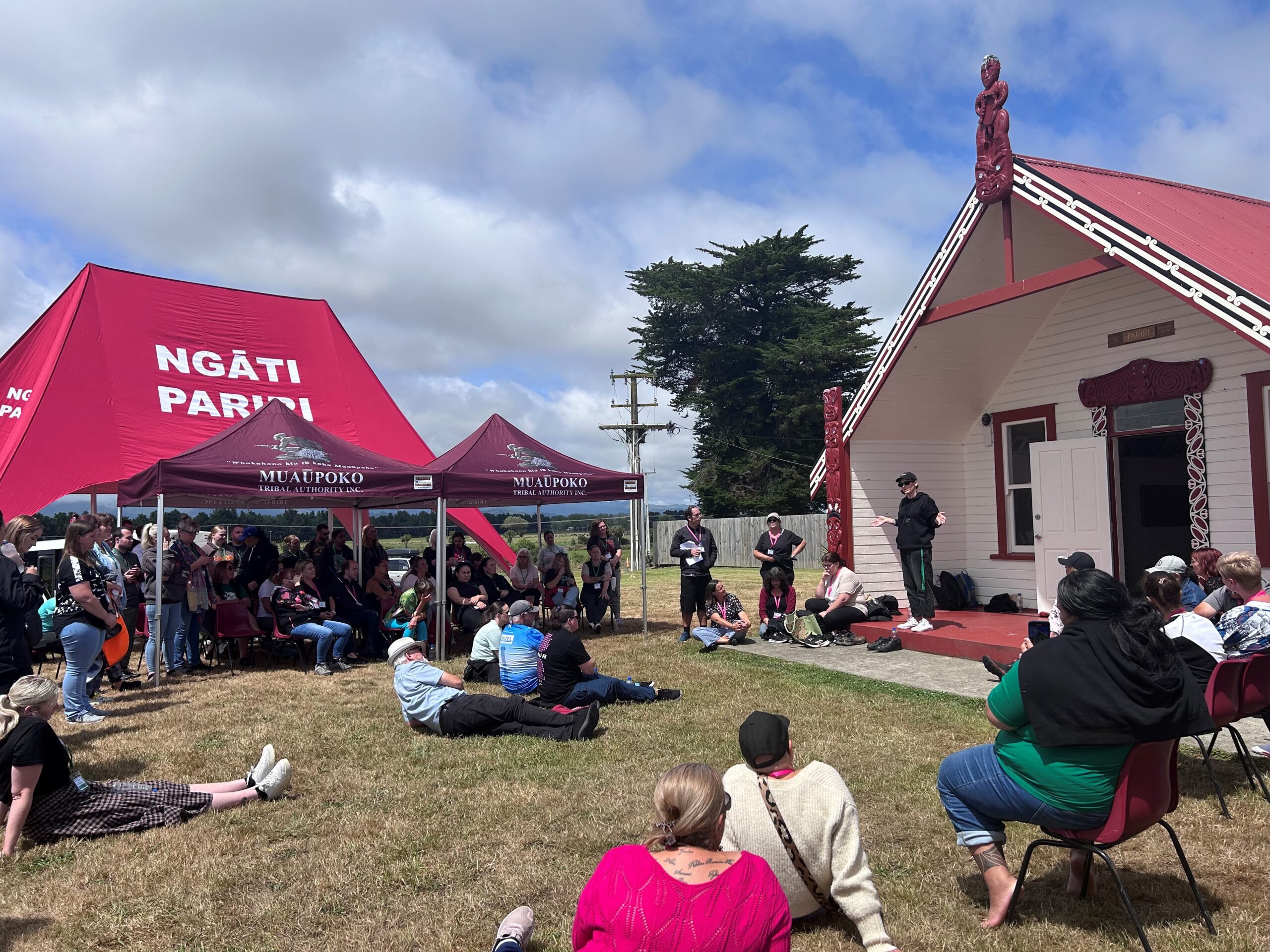
Local educators gathered for Muaūpokotanga Day, an annual professional development event organised by Muaūpoko iwi to deepen teachers’ understanding of iwi history, cultural values, and Māori perspectives. Held in the heart of the Muaūpoko rohe (region), this day fosters collaboration between schools and tangata whenua, encouraging teachers to weave authentic Māori narratives into their classrooms.
The event features interactive workshops led by Muaūpoko knowledge holders, immersive storytelling sessions, and guided discussions on historical landmarks and ancestral stories unique to the iwi. Participants explored resources designed to help integrate te ao Māori (Māori worldview) into curricula while honoring the principles of Te Tiriti o Waitangi.
By equipping educators with locally relevant insights, Muaūpoko aims to nurture cultural competence and inspire a generation of students to value Muaūpoko’s narratives. As one past attendee shared, “This isn’t just professional development—it’s a meaningful step toward reconciliation.”
Schools across the region are encouraged to participate in this transformative opportunity. Together, we can ensure that Muaūpoko stories and wisdom continue to shape compassionate, informed futures.


Whānau Voice
From August to December 2024, John and Sen embarked on Round 1 of the journey to collect Whānau Voice within the Mid-central rohe covering Ōtaki, Horowhenua, Papaioea, Manawatū, and Tararua.
Engaging whānau and hapū/ Iwi to gather Whānau Voice is a legislative requirement of Iwi Māori Partnership Boards (IMPBs) as part of the Pae Ora (Healthy Futures) Act 2022.
Several collection methods have been used including interviews, surveys and workshops. Ensuring Whānau have Data Sovereignty is at the forefront through a robust consent process, secure storage and giving kōrero back to whānau.
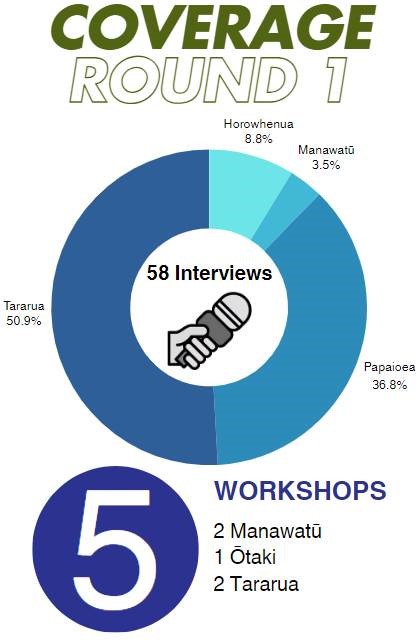
Round 1 has seen good coverage in Tararua and Papaioea with Whānau interviews. We would like to increase engagements with Whānau through interviews in Manawatū, Ōtaki, and Horowhenua for Round 2.
We have seen good coverage in Manawatū, Tararua, and Ōtaki with Whānau workshops. We like to increase Whānau workshops in Horowhenua and Papaioea.
We have seen minimal engagement with Whānau surveys being the least preferred method by Whānau, however will be increasing online access across social media platforms, website, and pānui as an option.
Tāhū Ora, the operational arm of Te Pae Oranaga o Ruahine o Tararua, has welcomed Rārite Mātāki in the role of Data Analysis and Policy to support the theming, findings, and analysis of Whānau Voice from Round 1.
We look forward to sharing the insights and the actions taken from Round 1 in the coming weeks. Keep your eyes and ears peeled!